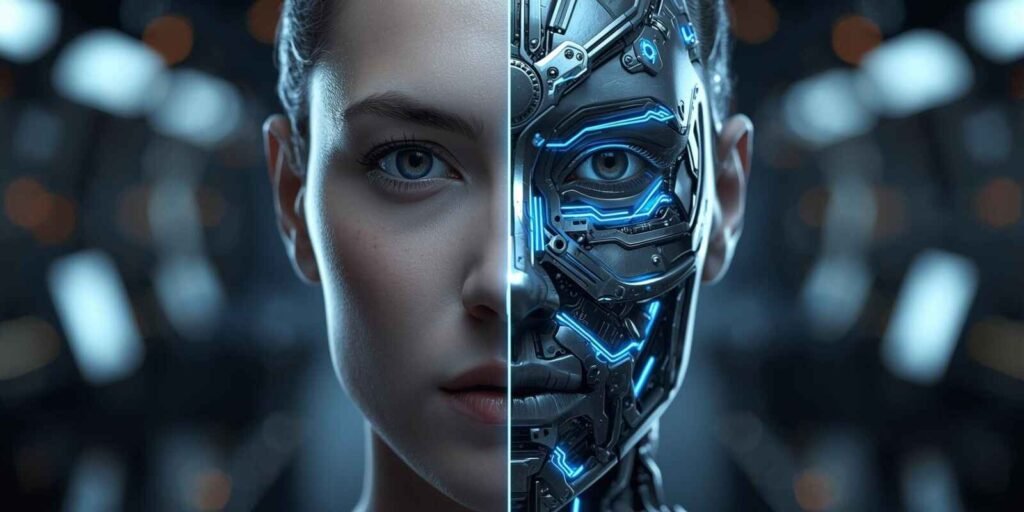

In the age of rapid technological advancement, one question continues to capture global attention — can artificial intelligence truly rival human intelligence? As AI systems become smarter, faster, and more creative, many wonder if we’re heading toward a future where machines surpass human capabilities. From ChatGPT writing essays to robots performing surgeries, the line between human and machine intelligence is blurring faster than ever. In this blog, we’ll explore the fascinating battle of AI vs Human Intelligence, uncover their key differences, strengths, and weaknesses, and predict who might truly “win” the future — humans, machines, or perhaps a powerful partnership of both.
What Is Artificial Intelligence (AI)?
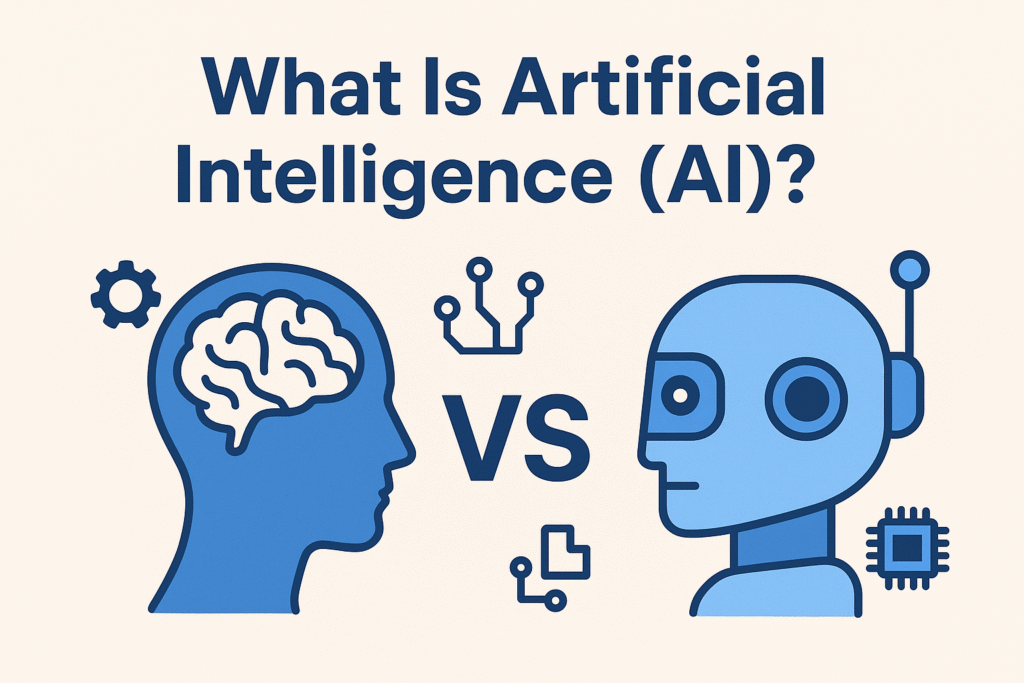
Artificial Intelligence, or AI, refers to the simulation of human intelligence in machines that are programmed to think, learn, and make decisions. These systems use algorithms, large datasets, and computational power to perform tasks such as language translation, image recognition, problem-solving, and even creativity. Unlike humans, AI doesn’t rely on emotions or consciousness — it depends purely on data and logic. From virtual assistants like Siri and ChatGPT to self-driving cars and medical diagnostics, AI has become an integral part of modern life, transforming industries and redefining how we live and work.
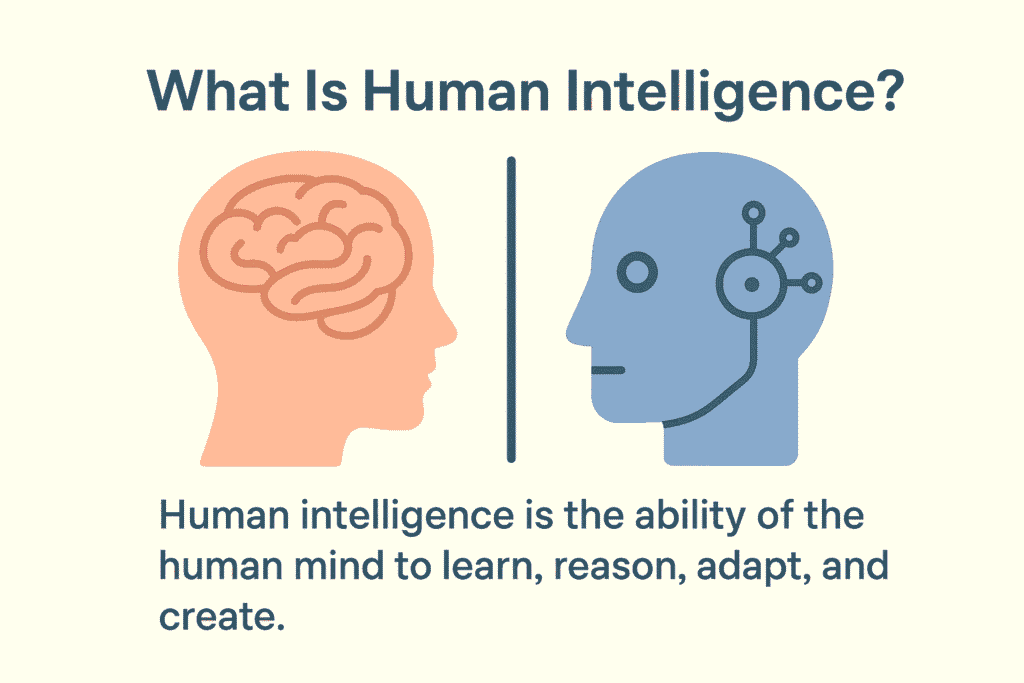
What Is Human Intelligence?
Human intelligence is the ability of the human mind to learn, reason, adapt, and create. Unlike AI, human intelligence is influenced by emotions, experiences, morality, and creativity — traits that machines can only imitate. Humans use critical thinking, empathy, and intuition to make decisions that go beyond data or logic. From artistic expression and innovation to emotional understanding and ethical judgment, human intelligence reflects the depth of consciousness that no algorithm can fully replicate. It’s this unique combination of logic and emotion that continues to set humans apart from machines.
Key Differences Between AI and Human Intelligence
Although AI and human intelligence share the goal of solving problems and learning from experience, their approaches and capabilities are fundamentally different. Humans rely on emotional awareness, moral values, and intuition, while AI depends entirely on logic, algorithms, and data. Understanding these differences helps us see where each excels — and where they fall short.
| Aspect | Artificial Intelligence | Human Intelligence |
| Nature | Machine-based, programmed to simulate thinking | Biological, shaped by genetics and experience |
| Learning Process | Uses data, algorithms, and pattern recognition | Learns from emotions, experiences, and reasoning |
| Creativity | Limited to existing data and prompts | Highly creative and innovative |
| Decision Making | Data-driven, fast, but emotionless | Emotional, moral, and context-aware |
| Adaptability | Adapts through updates and training | Adapts naturally through experience |
| Error Handling | Prone to algorithmic or data bias | Learns from mistakes with emotional understanding |
| Consciousness | Lacks self-awareness | Fully self-aware and conscious |
| Ethical Reasoning | Based on programmed rules | Driven by values, empathy, and culture |

Can AI and Human Intelligence Work Together?
Instead of competing, AI and human intelligence can complement each other to create a smarter, more efficient future. While AI excels at processing massive amounts of data, humans provide creativity, empathy, and ethical judgment — qualities machines can’t replicate. When combined, they form a powerful partnership known as Augmented Intelligence, where technology enhances human capabilities rather than replacing them.
For example, doctors use AI to detect diseases faster, but human doctors still make the final diagnosis with empathy and experience. Similarly, content creators use AI tools for research and automation, yet the emotional storytelling still comes from human creativity. This collaboration defines the future — not a battle between AI and humans, but a synergy that drives innovation and progress.
The Future of Intelligence: Who Will Win?
When it comes to AI vs Human Intelligence, there’s no single winner — because the future isn’t about competition, it’s about collaboration. Artificial Intelligence will continue to evolve, becoming faster, more accurate, and more efficient. Yet, human intelligence will always remain the heart of innovation, driven by emotion, morality, and creativity — things machines cannot truly replicate.
In the years ahead, the real victory will belong to those who learn to work alongside AI, using it as a tool to amplify human potential. Rather than fearing AI’s growth, we should focus on shaping it responsibly — ensuring that technology serves humanity, not replaces it. The future isn’t “AI vs Humans” — it’s AI + Humans = a smarter, better world.
Conclusion
The debate of AI vs Human Intelligence isn’t about replacing one with the other — it’s about creating balance. While AI offers speed, precision, and limitless data processing, human intelligence brings creativity, emotion, and ethical understanding. Together, they form the foundation of a smarter and more connected world.
At ItsEzAI, we believe the future belongs not to AI alone, but to those who learn how to use AI wisely. Embrace technology, enhance your skills, and become part of the new era where humans and machines grow — together.